
Hit and Run in Georgia: What to Do When the Other Driver Doesn't Stop
May 7, 2026
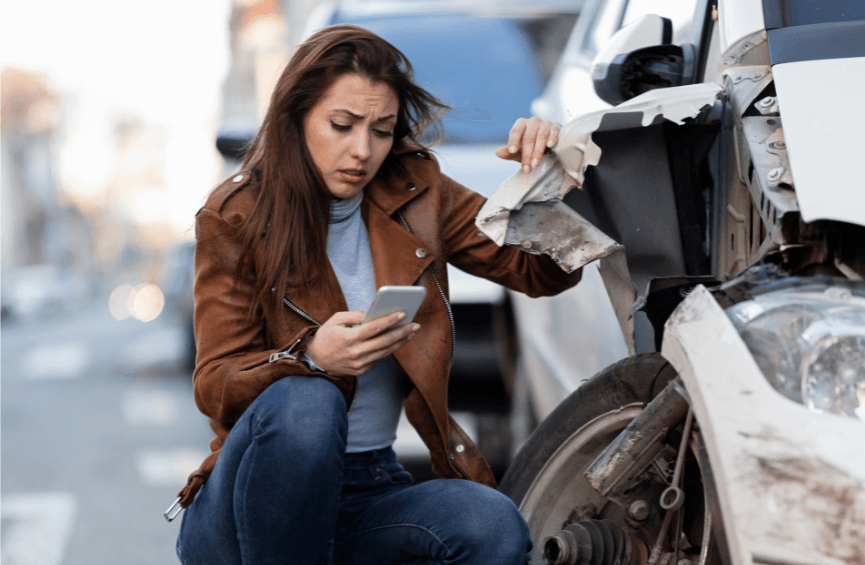
It happens more than it should. A driver hits your car — or hits you — and keeps going. In a matter of seconds you're left standing on the side of the road, shaken, possibly injured, watching taillights disappear.
Here's exactly what to do.
Should You Call the Police?
Yes. Immediately. No exceptions.
In Georgia, leaving the scene of an accident involving injury or property damage is a criminal offense. When you call 911, you are not just reporting an accident — you are creating an official record that a crime occurred. That record is the foundation of everything that comes next: your insurance claim, any potential uninsured motorist claim, and any investigation into finding the driver who fled.
Do not talk yourself out of calling because you think the damage looks minor, because you didn't get a plate number, or because you assume nothing can be done. Call anyway. Let the police make that determination.
While You Wait for Police to Arrive
Stay at the scene and stay safe — move to the sidewalk or away from traffic if needed.
Look around immediately. A hit and run driver sometimes doesn't get far. Note the direction they fled, the color, make, and model of the vehicle, and any partial plate number you can remember. Write it down or say it into your phone's voice memo before the details fade.
Check for witnesses. Bystanders, neighboring businesses, other drivers — anyone who saw what happened. Get their names and phone numbers before they leave.
Look for cameras. Gas stations, ATMs, traffic signals, and nearby businesses often have surveillance footage. That footage may only be retained for 24 to 72 hours. Tell the responding officer about any cameras you notice so they can act quickly.
Take photos of everything — your vehicle, the road, any debris or paint transfer left by the other car, and the surrounding area including any skid marks.
What About Your Insurance?
Georgia law requires insurers to offer uninsured motorist coverage, and in most cases that coverage applies to hit and run accidents — even when the other driver is never identified. This means your own policy may be your primary path to compensation for your injuries and vehicle damage.
Notify your own insurance company promptly, but be careful about what you say. Stick to the facts of what happened and avoid speculating about fault, injuries, or damages until you have a full picture.
The Bottom Line
A hit and run is not the end of the road for your claim. Between police reports, surveillance footage, witness accounts, and your own uninsured motorist coverage, there are real avenues for recovery — but most of them depend on acting fast. Call 911, document everything you can, and contact an attorney before you give any recorded statements to any insurance company.
Have Questions About Your Case?
Contact us for a free consultation. We're here to help.
Call (404) 596-5518