
The Government Walks Away: What City of Milton v. Chang Tells Us About Suing a City in Georgia
April 13, 2026
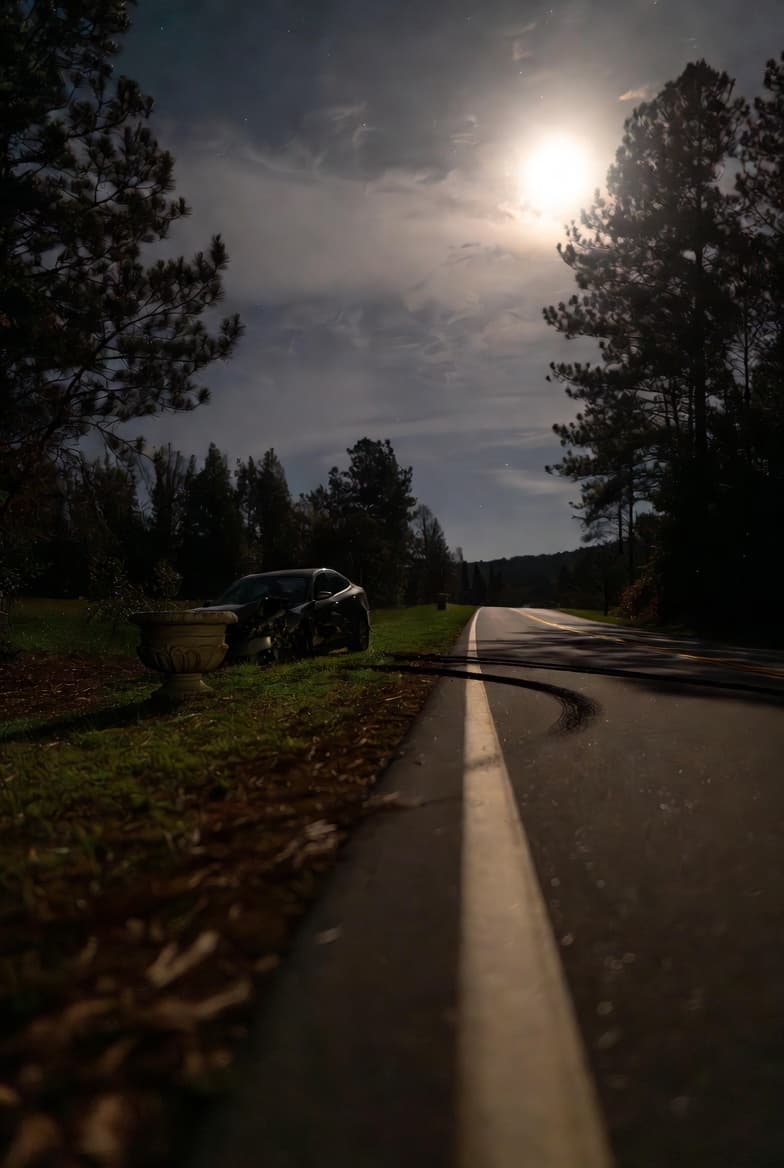
A college student is driving home at night. His car leaves the road, slides more than 60 feet, and slams into a large concrete planter sitting off the shoulder of a city street. He dies from his injuries.
His parents sue the City of Milton. A jury hears the evidence and awards $35 million in damages. The city appeals, claiming the government can't be sued for this. The Georgia Supreme Court agrees — and vacates the verdict.
That is the result in City of Milton v. Chang, decided March 12, 2026. It is one of the most instructive cases in recent Georgia history on the question of when you can sue a city — and when the government's immunity shield holds firm even in the face of a catastrophic death and a jury that already decided the city was wrong.
What Happened
In November 2016, Joshua Chang was driving along Batesville Road in the City of Milton when he lost control of his vehicle. His car left the paved road, slid more than 60 feet, flipped, and landed on a substantial concrete planter sitting between two driveways — more than six feet off the road. Chang died from his injuries.
His parents sued the City, arguing that the planter was a defect in the public road and that the City was negligent in failing to remove it. They also argued it was a nuisance. After a full trial, the jury agreed on both theories and returned a $35 million verdict, reduced slightly for Chang's comparative fault.
The Georgia Supreme Court vacated that verdict and sent the case back down.
Two Statutes, Two Very Different Jobs
The legal heart of this case is the relationship between two Georgia statutes that courts had been applying incorrectly — sometimes interchangeably — for years. The Supreme Court used this case to draw a clean line between them.
OCGA § 36-33-1(b) is the immunity waiver. It says that while cities are generally immune from suit, they can be held liable for the negligent performance of their ministerial duties. This is the statute that actually removes the government's immunity shield — but only for specific kinds of conduct.
OCGA § 32-4-93(a) is something different. It says a city is relieved of liability for defects in public roads when it had no notice and wasn't negligent. This statute limits a claim that already exists — it does not create one. It says nothing about immunity at all.
The Court of Appeals had treated § 32-4-93(a) as if it were also an immunity waiver — reasoning that if the City had notice of the planter and was negligent, sovereign immunity was waived. The Supreme Court said that analysis skips the most important step: you have to first ask whether the conduct falls within a ministerial duty under § 36-33-1(b). Only then does the liability analysis under § 32-4-93(a) even come into play.
What Is a "Ministerial Duty" — and Where Does It End?
Georgia cities have a long-established ministerial duty to keep their streets and sidewalks safe for ordinary travel. This duty has been recognized by Georgia courts for over a century, and because it is classified as ministerial rather than governmental, cities can be sued when they breach it.
The question in this case was: how far does that duty extend?
The Supreme Court's answer: to the lanes of travel. The ministerial duty covers keeping streets and sidewalks safe for ordinary travel on the parts of the street intended for that travel. It does not extend to keeping property outside the lanes of travel safe for traversal in case of an accident or emergency.
Chang's car left the road entirely, slid 60 feet through a grassy area, and struck a planter sitting six feet off the pavement. That area was not part of the lane of travel. The city's ministerial duty — the only thing that could have waived its immunity — simply did not reach that far. Without a waiver, the court had no jurisdiction. The $35 million verdict had to go.
The Dissent: Two Justices Would Have Let the Case Stand
This was not a unanimous decision. Two justices dissented, and their reasoning is worth understanding because it reflects how close this legal question actually is.
The dissent argued that the city's ministerial duty extends to all parts of the municipal street system over which the public has a legal right to pass — not just the driving lanes. The shoulder of Batesville Road, they argued, was undisputedly an area where the public had a legal right to be. The city's own witness testified that drivers could use the shoulder in an emergency. If the public has a right to use it, the city has a duty to keep it safe.
The majority rejected this, drawing a line between ordinary travel and emergency traversal. The shoulder is not designed for ordinary travel — it is a fallback for emergencies. That distinction, the majority said, is what keeps the ministerial duty within its proper limits.
Two justices disagreed. The line between those two positions was the difference between a $35 million verdict and a family walking away with nothing on the negligence claim.
But the Case Is Not Over
Here is what the Supreme Court was careful to say it was not deciding — and why the Chang family may not be finished.
1. The insurance waiver. OCGA § 36-33-1(a) separately waives municipal immunity up to the limits of a city's liability insurance policy. The City of Milton carried a $2 million policy. The Supreme Court explicitly declined to decide whether that waiver applies here, leaving it open on remand. The family may still recover — but if so, the ceiling is $2 million, not $35 million.
2. The nuisance claim. The jury found the City liable under two separate theories: negligence and nuisance. The Supreme Court only addressed the negligence immunity question. The nuisance claim goes back to the lower courts untouched. Whether the planter constituted a nuisance — and whether municipal immunity extends to nuisance claims — is still unresolved.
3. The City's general duty of care. The Court was explicit: its ruling that the planter fell outside the ministerial duty says nothing about whether the City owed a broader duty of care with respect to its right of way. That question remains open.
In other words, the $35 million verdict is gone. But the case has multiple paths still alive on remand, including potential recovery up to the insurance limit and the surviving nuisance theory.
How This Compares to Atlanta Public Schools v. M.M.
Earlier this year, the Georgia Court of Appeals dismissed Atlanta Public Schools from a lawsuit after a coach allegedly punched a student — because APS, as a school district, had no applicable immunity waiver at all. OCGA § 36-33-1 doesn't even apply to school districts.
The City of Milton case is different in an important way: the statute does apply to municipal corporations like the City. The immunity waiver exists. The city can be sued — but only for the negligent performance of its ministerial duties. When the conduct at issue falls outside those duties, the waiver doesn't reach it, and the city walks.
Two different cases. Two different roads to the same result. Both illustrate how the government's immunity shield operates in layers — and how each layer has to be stripped away before a case can proceed.
What This Means If You've Been Hurt Near a City Road
- Suing a city is not the same as suing a private property owner. Immunity is the first question — it has to be answered before anything else.
- Georgia cities can be sued for negligent maintenance of lanes of travel — potholes, missing signals, broken sidewalks, dangerous obstructions in the path of ordinary travel.
- Hazards located off the road present a harder question. After Chang, the ministerial duty does not automatically cover them.
- Even when the ministerial duty doesn't apply, the city's insurance policy may provide a separate avenue for recovery — but only up to policy limits.
- Nuisance is a distinct theory that operates under different rules and may provide a path even when negligence is blocked by immunity.
- Deadlines are shorter when the government is involved. An Ante Litem Notice may need to be filed within six months of the incident — long before the standard two-year statute of limitations would run. Missing that deadline can end your case before it begins.
The Chang family watched a jury award them $35 million — and then watched the Supreme Court take it away on a legal question the jury never even considered. That is how government immunity works in Georgia. Understanding it before you file is not optional. It is the difference between having a case and never having had one at all.
Have Questions About Your Case?
Contact us for a free consultation. We're here to help.
Call (404) 596-5518