

A collision with a commercial truck can change your life in an instant. Because these vehicles can weigh up to 80,000 pounds, crashes often leave victims with serious injuries, mounting medical bills, lost income, and lasting emotional strain.
While most car accidents involve one at-fault driver, several parties can be responsible for a Georgia truck accident. The driver, the trucking company, a cargo loader, a maintenance provider, or even a parts manufacturer may share the blame.
A careful investigation is key to uncovering who is responsible. An experienced Atlanta truck accident lawyer can preserve critical evidence, such as electronic logging data and maintenance records, and fight for the compensation you deserve.
At BOB Law Firm, our legal team has more than 20 years of experience helping clients across Georgia. We’re ready to help you and your family take the next step.
Who May Be Responsible for a Georgia Truck Accident?
Truck accident cases are often more complex than typical car accident claims. They can involve specialized evidence, such as driver logs, inspection reports, and onboard data. Commercial trucks must follow Federal Motor Carrier Safety Administration (FMCSA) regulations.
Here are some of the people and companies that may be liable for a truck accident.
The Truck Driver
Truck drivers should operate their vehicles safely and follow both Georgia traffic laws and federal trucking rules. A driver may be liable for a crash caused by speeding, distracted driving, following too closely, making unsafe lane changes, or driving under the influence.
Fatigue is another common factor. Federal hours-of-service rules limit how long truckers can drive without rest, and drivers who ignore those limits put everyone on the road at risk. If a driver’s careless actions caused your injuries, they may be held responsible.
The Trucking Company
In many cases, the trucking company may also be liable. Employers can generally be held responsible for employees’ negligent acts while performing their jobs. If the driver was working at the time of the crash, the trucking company may be accountable for the driver’s mistakes.
A trucking company may also be directly responsible for negligence. This can happen when a company hires a driver with a poor safety record, fails to provide proper training, skips required drug and alcohol testing, neglects vehicle maintenance, or pressures drivers to meet unrealistic schedules that encourage them to break hours-of-service rules.
Cargo Loading Companies
Improperly loaded cargo can make a truck dangerous to drive. Overloaded trailers may take longer to stop. Unbalanced or poorly secured loads can shift during transit, causing the driver to lose control or the truck to roll over. Cargo that is not properly tied down can also fall onto the roadway and strike other vehicles.
Federal rules set standards for securing cargo. A loading company that fails to follow these standards may share blame for a Georgia truck accident.
Maintenance Providers and Repair Shops
Commercial trucks need regular inspections and repairs to stay safe on the road. When a maintenance provider or repair shop does careless work, serious problems can follow. Worn brakes, faulty steering, bald tires, and broken lights are just a few issues that can lead to a crash.
If a mechanic fails to fix a known problem, uses the wrong parts, or performs a repair incorrectly, the shop may be held responsible for a Georgia truck accident.
Government Agencies
Road defects such as dangerous potholes, missing signs, malfunctioning traffic signals, or poorly designed intersections can contribute to truck accidents. A government agency may also be liable if one of its vehicles, such as a city dump truck or county maintenance vehicle, caused the crash.
Claims against government agencies in Georgia follow special rules. Injured people generally must send a formal notice of their claim within strict deadlines, sometimes as short as six months, so acting quickly is important.
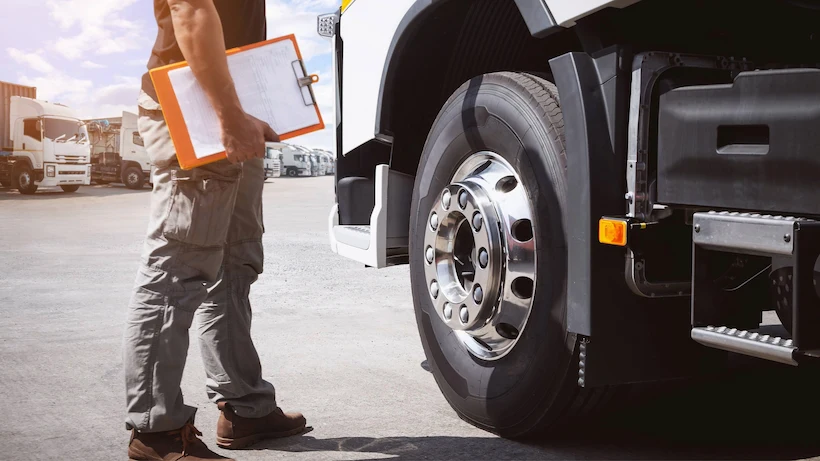
Evidence in Commercial Truck Crash Cases
Determining who is responsible for a truck accident requires careful investigation. Evidence can disappear quickly. Skid marks fade, damaged vehicles are repaired, and trucking companies may only be required to keep certain records for a limited time.
Important evidence may include:
- Electronic logging device (ELD) data showing the driver’s hours on duty
- Engine control module (black box) data, such as speed and braking
- Driver qualification files, training records, and drug and alcohol test results
- Truck inspection and maintenance records
- Cargo manifests and loading documents
- Cell phone records that may reveal distracted driving
- Dashcam footage, traffic camera video, and photos of the scene
- Police reports and witness statements
Our Georgia truck accident lawyers move quickly to protect this evidence. We can send preservation letters to the trucking company, work with accident reconstruction experts, and carefully review every record to determine who is responsible for your crash.
What to Do After a Truck Collision
The moments after a truck accident can feel overwhelming. Taking the right steps can help protect your health and your legal rights.
- Call 911. Report the crash so police can create an official report, and request medical help for anyone who is hurt.
- Get medical care. See a doctor as soon as possible, even if you feel fine. Some injuries, like concussions and internal bleeding, may not show symptoms right away.
- Document the scene. If it is safe, take photos of the vehicles, road conditions, your injuries, and the truck company name and DOT number.
- Collect information. Get the names and contact details of the truck driver, the trucking company, and any witnesses.
- Be careful what you say. Avoid admitting fault or giving a recorded statement to an insurance company before getting legal advice.
- Keep records. Save medical bills, receipts, and notes about how your injuries affect your daily life.
- Contact a truck accident lawyer. An experienced attorney can protect evidence, handle insurers, and fight for the compensation you deserve.
What Is the Deadline to File a Georgia Truck Accident Lawsuit?
Georgia law sets a time limit, called the statute of limitations, for filing a lawsuit. In most personal injury cases, you have two years from the date of the accident to file. Wrongful death claims generally must also be filed within two years, but that period usually begins on the date of the person’s death.
There are some exceptions to these rules. The deadline may be paused if the injured person is a minor or legally incapacitated. If the at-fault driver faces criminal charges related to the crash, the deadline may be extended while that case is pending. Claims against government agencies also require formal notice much sooner.
Missing a deadline can prevent you from recovering compensation, so it is wise to speak with a Georgia truck accident lawyer as soon as possible.
Contact an Atlanta Truck Accident Lawyer at BOB Law Firm
A truck accident can leave you facing painful injuries, financial stress, and difficult questions about what comes next. Our team at BOB Law Firm has over 20 years of experience helping clients across Georgia. We investigate complex truck crashes and stand up to large trucking companies and their insurers.
We believe everyone deserves access to strong legal representation. That is why we handle truck accident cases on a contingency fee basis, which means you pay no fees unless we win your case. You can focus on healing while we fight for the compensation you deserve.
Contact us through our online form or call (404) 596-5518 to schedule a free consultation.